
24°C
Warangal
Bhadrakali Temple
 Warangal, Telangana, India
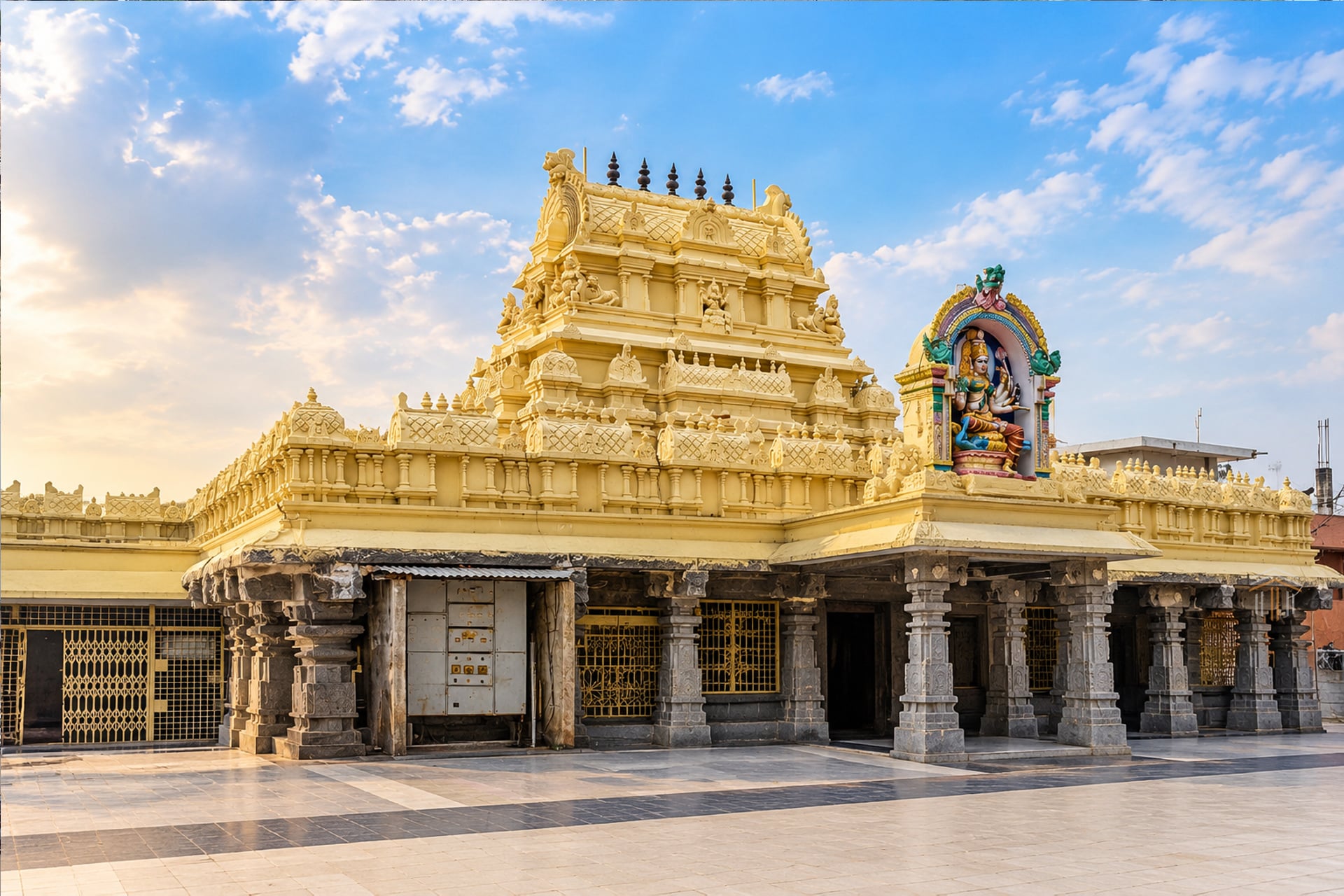
Bhadrakali Temple, overlooking the serene Bhadrakali Lake in Warangal, is a revered shrine dedicated to Goddess Bhadrakali. Built by the Chalukyas and later patronised by the Kakatiyas, it stands as a symbol of Telangana’s rich spiritual heritage.
- ReligionHindu
- DeityGoddess Bhadrakali
- TimingsMorning: 05:30 AM - 01:00 PM - Evening: 03.00 PM - 08.00 PM

About the temple
About the temple
The Bhadrakali Temple in Warangal is one of the oldest and most revered temples in Telangana, dedicated to Goddess Bhadrakali, a fierce and benevolent form of the Divine Mother. Built in 625 CE by the Chalukya king Pulakeshin II and later patronized by the Kakatiya dynasty, the temple reflects a unique blend of history, spirituality, and architecture. Perched on a hilltop and overlooking the serene Bhadrakali Lake, the temple features a majestic stone idol of the goddess with eight arms and a lion mount. Over the centuries, it has served as a spiritual center and cultural beacon, especially during festivals like Navaratri. Today, it remains a key pilgrimage site and a testament to Warangal's rich cultural heritage.
Bhadrakali Temple
Bhadrakali Temple
The Bhadrakali Temple In Numbers
Explore the mystical allure of the Bhadrakali Temple a revered sanctuary nestled in Warangal, showcasing the spiritual strength of the divine feminine, the grandeur of Kakatiya-era architecture, and a deep connection to Telangana's cultural soul. With its ancient idol, sacred lake, and enduring legacy, the temple continues to inspire awe and devotion.
- Believed to Have Been Constructed by King Pulakeshin II of the Chalukya Dynasty
- 625 AD
- Iconic Representation of Goddess Bhadrakali Holding Divine Weapons
- 8 Arms
- Height of the Seated Bhadrakali Idol Made of Granite
- 2 Feet
- Sacred Bhadrakali Lake Adjacent to the Temple, Enhancing Spiritual Significance
- 1
- Additional Shrines Dedicated to Deities Like Bhairava, Ganesha, Durga, and Surya
- 4
- Major Renovation Undertaken in the 1950s to Restore the Temple's Former Glory
- 20th Century
- Legend of the Koh-i-Noor Diamond Once Adorning the Idol's Eye
- 1
- Panoramic Hilltop Location Offering Scenic Views of Warangal and Its Forts
- 360° View
Believed to Have Been Constructed by King Pulakeshin II of the Chalukya Dynasty
Iconic Representation of Goddess Bhadrakali Holding Divine Weapons
Height of the Seated Bhadrakali Idol Made of Granite
Sacred Bhadrakali Lake Adjacent to the Temple, Enhancing Spiritual Significance
Additional Shrines Dedicated to Deities Like Bhairava, Ganesha, Durga, and Surya
Major Renovation Undertaken in the 1950s to Restore the Temple's Former Glory
Legend of the Koh-i-Noor Diamond Once Adorning the Idol's Eye
Panoramic Hilltop Location Offering Scenic Views of Warangal and Its Forts
Historical Background
The Bhadrakali Temple in Warangal is a revered Hindu temple dedicated to Goddess Bhadrakali, a fierce incarnation of Shakti. Established in the 7th century by the Chalukya dynasty and later embraced by the Kakatiya kings as their family deity's abode, the temple holds deep historical and spiritual significance. It is located on a hilltop between Warangal and Hanamkonda, overlooking the scenic Bhadrakali Lake. The temple features a powerful stone idol of the goddess with eight arms and a lion mount, symbolizing strength and protection. Over time, the temple has evolved into a major pilgrimage center, especially during festivals like Navaratri, drawing thousands of devotees. With its unique blend of mythology, history, and natural beauty, the Bhadrakali Temple stands as a cultural and spiritual landmark in Telangana.
7th Century CE - Construction by King Pulakeshin II
7th Century CE - Construction by King Pulakeshin II
The Bhadrakali Temple is believed to have been built by King Pulakeshin II of the Chalukya dynasty in 625 CE. The temple was constructed to commemorate the king's military victories in the Deccan region, particularly in the Vengi territory. The temple was dedicated to Goddess Bhadrakali, symbolizing power and divine protection.12th-14th Century CE - Rise of the Kakatiya Dynasty
12th-14th Century CE - Rise of the Kakatiya Dynasty
The Kakatiya dynasty rose to prominence and established Warangal as their capital. Goddess Bhadrakali became the kuladevata (family deity) of the Kakatiya rulers, who regularly worshipped her before battles and state events. King Ganapati Deva and Queen Rudrama Devi were among the most notable patrons, and the temple gained prominence during their reign. The Koh-i-Noor diamond, according to legend, was once placed in the left eye of the goddess's idol during this time, symbolizing the temple's opulence.14th Century CE - Decline During Delhi Sultanate Invasion
14th Century CE - Decline During Delhi Sultanate Invasion
Following the invasion of Delhi Sultanate in the 14th century, the Kakatiya dynasty fell, and the temple suffered neglect. Over the centuries, the temple went into disrepair and was abandoned, its grandeur lost under the weight of time.1950s - Restoration and Revival
1950s - Restoration and Revival
In the 1950s, the temple underwent significant restoration efforts led by Sri Ganesh Rao Sastri, a dedicated priest, and Shri Maganlal Sameja, a philanthropist. The restoration marked the revival of the temple as a key religious and cultural site in Warangal. Regular worship, rituals, and the re-establishment of sacred practices brought the temple back into the public eye.Present Day - Major Pilgrimage and Cultural Site
Present Day - Major Pilgrimage and Cultural Site
Today, the Bhadrakali Temple is one of the most visited pilgrimage sites in Telangana, attracting thousands of devotees, especially during festivals like Navaratri. The temple continues to serve as a beacon of devotion, with daily rituals and a thriving cultural significance in the region.


Synopsis
The Bhadrakali Temple in Warangal is a revered Hindu temple dedicated to Goddess Bhadrakali, a fierce incarnation of Shakti. Established in the 7th century by the Chalukya dynasty and later embraced by the Kakatiya kings as their family deity's abode, the temple holds deep historical and spiritual significance. It is located on a hilltop between Warangal and Hanamkonda, overlooking the scenic Bhadrakali Lake. The temple features a powerful stone idol of the goddess with eight arms and a lion mount, symbolizing strength and protection. Over time, the temple has evolved into a major pilgrimage center, especially during festivals like Navaratri, drawing thousands of devotees. With its unique blend of mythology, history, and natural beauty, the Bhadrakali Temple stands as a cultural and spiritual landmark in Telangana.
The Bhadrakali Temple traces its origins back to the 7th century CE, during the reign of King Pulakeshin II of the Chalukya dynasty. It was constructed to commemorate his successful military campaign in the Vengi region. The temple was built on a hilltop overlooking what is now known as Bhadrakali Lake, a strategic and serene location chosen to reflect the power and divinity of Goddess Bhadrakali. This early period saw the temple as a significant spiritual center in the Deccan region, symbolizing the fusion of political triumph and divine gratitude.
Epigraphic evidence and regional records point to the temple's continuous prominence through different periods of rule. After the decline of the Chalukyas, the temple remained culturally relevant and was integrated into the growing influence of the Kakatiya dynasty (12th–14th century CE), which ruled much of present-day Telangana. It is widely believed that the temple once held the legendary Koh-i-Noor diamond in the left eye of the deity's idol, showcasing its grandeur during the medieval period. Though later lost during invasions, the temple's legacy lived on through oral traditions and stone inscriptions that reference its sanctity and central role in regional religious life.
The most notable patrons of the Bhadrakali Temple were the Kakatiya rulers, who revered Goddess Bhadrakali as their kuladevata (family deity). They offered prayers and conducted rituals at the temple before battles and important state decisions. Queen Rudrama Devi and King Ganapati Deva are among the prominent monarchs known to have supported the temple's activities. In more recent history, during the 1950s, the temple was restored from near ruin by Sri Ganesh Rao Sastri, a devoted priest, with significant support from Shri Maganlal Sameja, a philanthropist. Their efforts marked the beginning of the temple's modern revival, leading to its current status as a major pilgrimage site in Telangana.
Sacred significance
Divine Protectorate
The Bhadrakali Temple is dedicated to Goddess Bhadrakali, a fierce form of Shakti, known for her role in annihilating evil and protecting the cosmos. Her divine presence is believed to offer protection to devotees, making the temple a spiritual haven for those seeking strength and blessings.
Guardian of Warangal
As the kuladevata (family deity) of the Kakatiya rulers, the Bhadrakali Temple became a central place of worship before battles and important decisions, symbolizing the goddess's role as a protector of kingdoms and a source of divine strength.
Symbol of Cosmic Balance
The goddess Bhadrakali, depicted with eight arms and a lion as her vehicle, represents the equilibrium between fierce power and compassionate protection, making the temple a place for devotees to find harmony between strength and serenity.
Architecture
The Bhadrakali Temple's architecture showcases the grandeur of the Kakatiya dynasty, with intricate stone carvings, towering pillars, and a sanctum dedicated to Goddess Bhadrakali. Its design reflects a blend of spiritual symbolism and architectural brilliance, making it a significant cultural and religious landmark in Warangal.
Gopuram
Temple Tower (Shikhara)
The temple's towering structure, known as the Shikhara, rises gracefully above the sanctum, serving as a beacon of divine presence. It is adorned with intricate carvings of deities, celestial figures, and mythological stories, encapsulating the temple's spiritual and architectural significance. The Shikhara's elevated position symbolizes the connection between the earthly realm and the divine, inviting devotees to experience higher realms of consciousness.
Sanctum
Sanctum Sanctorum (Garbhagriha)
The heart of the temple, the Garbhagriha, houses the majestic idol of Goddess Bhadrakali. The sanctum is constructed with solid stone, designed to channel spiritual energy and provide a sacred atmosphere. The idol of Bhadrakali, depicted with eight arms and a lion as her vahana (vehicle), exudes a powerful aura of divine protection. This chamber is the focal point for worship and prayers, where devotees seek the goddess's blessings for strength and protection.
Courtyard
Outer Courtyard (Prakara)
The Prakara or outer courtyard surrounds the temple complex, providing an open space for devotees to gather before entering the sanctum. The courtyard is lined with stone pillars and is designed to accommodate ritualistic activities, processions, and other religious events. It symbolizes the outer path leading to spiritual enlightenment, preparing individuals for the divine experience inside the temple.
Pond
Sacred Tank (Pushkarini)
The temple is situated near the Bhadrakali Lake, which serves as a sacred tank, reflecting the temple's spiritual connection to water. Devotees believe that the water of the tank purifies the soul and mind. Pilgrims often perform ritual baths in the lake before entering the temple, symbolizing spiritual cleansing and preparation for communion with the divine.
Pillars
Carved Pillars and Sculptures
The Bhadrakali Temple is renowned for its beautifully carved stone pillars, each showcasing intricate sculptures of gods, goddesses, and mythological figures. These artistic pillars not only enhance the temple's aesthetic value but also serve to narrate divine stories, legends, and the temple's history. The craftsmanship reflects the rich cultural heritage of the Kakatiya dynasty.
Entrance
Main Entrance (Dwaja Stambha)
The entrance of the Bhadrakali Temple is marked by a towering Dwaja Stambha (flagpole), often adorned with intricate carvings and religious symbols. The flagpole signifies the triumph of good over evil, marking the gateway to the sacred space where the divine resides. The towering structure serves as both an architectural highlight and a spiritual marker, welcoming devotees into the realm of the goddess.
Mandapam
Open Hall (Mandapa)
In front of the sanctum is the Mandapa, an open hall where devotees can gather for communal prayers and rituals. The Mandapa is supported by a series of intricately carved stone columns, each showcasing motifs of divine figures and nature. This area allows for the congregation to participate in larger religious ceremonies, fostering a sense of community and shared devotion.
Temple Complex
Surrounding Walls and Fortifications
The Bhadrakali Temple is enclosed by stone walls, once part of a larger fortification system built by the Kakatiya rulers. These walls symbolize the temple's role as a divine fortress, guarding the sacred space from external disturbances and allowing a focused, uninterrupted connection with the goddess. The fortification also reflects the temple's historical and strategic importance during the reign of the Kakatiya dynasty.
Sculpture
Iconography of Bhadrakali
The central deity of the temple, Goddess Bhadrakali, is depicted in the form of a striking idol with eight arms, holding various divine weapons. The intricate sculptures surrounding her idol highlight her fierce and protective nature, with the lion as her vahana, symbolizing strength and guardianship. The temple also features sculptures of other deities and celestial beings, narrating the stories and divine aspects of the goddess's power.
Interesting facts

According to local legends, the Bhadrakali Temple once housed the Koh-i-Noor diamond in the idol of Goddess Bhadrakali's left eye, symbolizing the goddess's immense power. Though the diamond was lost during invasions, the story persists, adding a layer of mystique and grandeur to the temple's history.
Deities & Shrines
Lord Bhairava
Alongside Goddess Bhadrakali, the temple also features a shrine dedicated to Lord Bhairava, a fierce form of Lord Shiva. Bhairava is worshipped for his power to eliminate negativity and protect devotees from harm. His presence in the temple symbolizes the temple's role as a guardian against evil forces, providing strength and protection to those who seek refuge in his divine energy.
Lord Ganesha
The temple also enshrines Lord Ganesha, the remover of obstacles and the god of wisdom and beginnings. Devotees invoke his blessings before undertaking any new venture or spiritual journey. The presence of Lord Ganesha at the temple highlights the importance of overcoming challenges and seeking divine guidance in all aspects of life.
Goddess Durga
In addition to Bhadrakali, the temple features a shrine to Goddess Durga, the divine mother and symbol of strength and protection. She is revered for her ability to conquer evil and restore balance in the world. Her presence within the temple reinforces the theme of feminine power and divine protection, emphasizing the nurturing yet powerful qualities of the divine feminine energy.
Lord Shiva
While the main deity of the temple is Bhadrakali, a fierce form of Shakti, the temple also includes a shrine dedicated to Lord Shiva, her consort. Lord Shiva is worshipped for his role in the destruction and renewal of the universe, and his presence in the temple reinforces the importance of balance and transformation within the cosmic order. Devotees seek his blessings for liberation, inner peace, and spiritual wisdom.
Lord Surya
The temple also houses a shrine dedicated to Lord Surya, the sun god. Surya is worshipped for his role in providing life-giving energy to the world and is believed to bring health, prosperity, and enlightenment. His inclusion in the temple highlights the interconnectedness of the cosmic forces and the temple's holistic approach to worshipping deities from all corners of the Hindu pantheon.
Darshan & Service Offerings
| Service | Timing | Price | Notes |
|---|---|---|---|
| Free General Darshan | 5:30 AM - 1:00 PM & 4:00 PM - 8:30 PM | - | General darshan is available to all devotees during the temple's open hours, with no ticket or prior booking required. Devotees can join the queue for a serene and uninterrupted experience of Goddess Bhadrakali in the sanctum. |
| Alankarana Seva (Decoration Viewing) | 6:30 AM - 7:00 AM (Daily) | ₹100 | During this seva, devotees can witness the goddess adorned in various traditional ornaments and floral decorations. This darshan is especially popular on festival days, when Bhadrakali is decorated in majestic attire symbolizing divine power and prosperity. |
| Kumkuma Archana | 7:30 AM - 12:30 PM & 4:30 PM - 7:30 PM | ₹30 | In this sacred ritual, devotees offer kumkuma (vermilion) to the goddess while chanting her 108 or 1000 names. It is a powerful ritual, believed to grant blessings for marital harmony, fertility, and general well-being. |
| Sahasranama Archana | Specific Days (Advance Booking Required) | ₹150 | Devotees can offer worship by chanting the Sahasranama (1000 names) of Goddess Bhadrakali. This elaborate archana is performed with deep devotion to seek divine grace and protection, often on auspicious days or personal occasions. |
| Annadanam (Free Meal Offering) | Noon Daily | Free / Donations Accepted | The temple provides free meals to devotees every day as part of the Annadanam service. Contributions towards Annadanam are welcome, and donors can sponsor meals on specific dates, seeking blessings for their families or in memory of loved ones. |
| Chaitra Navratri Seva | Annual (March-April, Dates Vary) | Varies by Ritual | During Chaitra Navratri, special poojas, homams, and devotional events are conducted for nine days. Devotees can participate in daily rituals like Kanya Puja, Navadurga Archana, and Chandi Homam, offered to invoke the full divine presence of the Goddess in her various forms. |
Visitor information
Location
Bhadrakali Temple is situated on a hilltop between Hanamkonda and Warangal in Telangana, overlooking the serene Bhadrakali Lake. It is approximately 5 km from Warangal Railway Station and about 145 km from Hyderabad. The temple is well-connected by road, with frequent buses and taxis available from Warangal city.
Temple Opening Hours
The temple is open daily from 5:30 AM - 1:00 PM and 4:00 PM - 8:30 PM. It remains closed in the afternoon from 1:00 PM - 4:00 PM. Special timings and extended hours are observed during festivals and auspicious occasions.
Best Time to Visit
The ideal time to visit Bhadrakali Temple is during the Navratri festival in March-April or September-October when grand celebrations are held. The cooler months between October and February offer pleasant weather for spiritual visits and sightseeing.
Dress Code
Devotees are encouraged to wear traditional and modest attire while visiting the temple. Men are advised to wear dhotis or trousers with shirts, and women should wear sarees, salwar kameez, or long skirts to respect the sanctity of the shrine.
Visitor Amenities
The temple premises offer basic facilities such as shoe stands, drinking water, restrooms, and a prasadam counter. Free and paid parking areas are available nearby. The temple also features shaded queues and seating for elderly visitors.
Photography Guidelines
Photography is strictly prohibited inside the sanctum sanctorum and inner temple areas. Visitors are requested to respect temple customs and signs. However, the scenic surroundings near the Bhadrakali Lake and temple entrance offer picturesque spots for photography.
Location
Warangal, Telangana, India
Best Time to Visit
Serene Winter Season (October to February)
The best time to visit Bhadrakali Temple is during the winter months when the weather is pleasant and ideal for exploring the temple and nearby attractions like the Bhadrakali Lake and Fort Warangal. The cool breeze and serene environment enhance the spiritual experience.
Navaratri Celebrations (September–October)
Navaratri is celebrated with great devotion at Bhadrakali Temple, dedicated to the fierce and protective Goddess Kali. The temple is beautifully decorated, and special rituals such as Dwajarohanam and Kalasastapana, along with cultural programs and evening Aartis, attract thousands of devotees during this nine-day celebration.
Bhadrakali Ekadashi
Apara Ekadashi is specially observed at Bhadrakali Temple as "Bhadrakali Ekadashi," a distinctly Warangal-based observance unique to this temple, drawing devotees for special poojas and rituals dedicated to the presiding deity.
Nearby places
Warangal Fort
6 km
- A majestic 13th-century fort built by the Kakatiya dynasty, featuring impressive stone gateways, intricate carvings, and remnants of ancient architecture. It's a testament to the region's rich history and offers panoramic views of the surroundings.
Thousand Pillar Temple
2.5 km
- A marvel of Kakatiya architecture, this temple is renowned for its intricately carved pillars, star-shaped platform, and shrines dedicated to Shiva, Vishnu, and Surya. It is a spiritual and architectural landmark of Telangana.
Kakatiya Musical Garden
1.5 km
- A scenic garden near Bhadrakali Lake featuring a large musical fountain, boating facilities, and a peaceful environment. Perfect for family visits and evening relaxation after temple darshan.
Bhadrakali Lake
Adjacent to the temple
- A tranquil man-made lake surrounding the Bhadrakali Temple, ideal for scenic walks, photography, and serene views. It adds to the spiritual aura and natural charm of the temple premises.
Festivals & culture
The Bhadrakali Temple celebrates several vibrant festivals, each rich in tradition and spiritual significance. The temple's major festivals include Navaratri for Goddess Durga and the Bhadrakali-Bhadreshwara Kalyana Brahmotsavams, a grand celebration honoring the divine union of Goddess Bhadrakali and Lord Bhadreshwara. These festivals are marked by rituals, prayers, and processions, bringing the community together in devotion and celebration.
Bhadrakali-Bhadreshwara Kalyana Brahmotsavams
April-May
This grand Brahmotsavam celebrates the divine wedding (Kalyanam) of Goddess Bhadrakali and Lord Bhadreshwara. The festivities begin with the Ankurarpanam ritual and include Nithya Manickam, Utsavangikara Prarthana, Ganapati Puja, Punyahavachanam, Nandi, Brahma Kurcha Homam, and other traditional rites, drawing devotees from across the region.
Navaratri (Sharannavaratri)
September-October
Navaratri is a nine-night festival dedicated to Goddess Durga and her various forms. The celebrations begin with Dwajarohanam and Kalasastapana rituals, with the Goddess appearing in a different form each day, and conclude with Teppotsavam (float festival). Special poojas, cultural performances, and processions draw large numbers of devotees seeking the Goddess's blessings.
Additional information
Temple Timings
The Bhadrakali Temple is open daily in two sessions: 5:30 AM - 1:00 PM and 3:00 PM - 8:30 PM. The temple follows a structured schedule with poojas and rituals conducted throughout these hours.
Sri Bhadrakali Temple Management Committee
The temple is managed by the Sri Bhadrakali Temple Management Committee, which oversees its administration, rituals, upkeep, and the organizing of festivals and events.
Footwear Policy
As is customary at Hindu temples, footwear is not permitted inside the temple premises. Devotees are expected to remove their shoes before entering.
Temple facilities
Drinking Water Arrangements
Drinking water is arranged for devotees, particularly during major festivals such as the Brahmotsavams, when temple authorities set up dedicated water points alongside temporary shelters for visitors.
Prasadam
The temple distributes and sells prasadam to devotees, notably laddoo and pulihora (tamarind rice), which are well known among visitors.
Parking Facility
A parking area is available near the temple for visitor vehicles, managed by the temple authorities.
Footwear Minding Service
A footwear-minding facility is available near the temple entrance, where devotees can leave their shoes before entering for darshan.
Emergency services
Ramakrishna Hospitals
2.5 km
Contact
+91 7702822833
- A hospital in Warangal offering multi-specialty care, 24/7 emergency services, and a trauma center. It serves as a regional referral center for surrounding districts.
Sri Lalitha Multi Speciality Hospital
2.2 km
Contact
+91 9133366898
- A well-equipped private hospital with departments including cardiology, general surgery, orthopedics, and ICU facilities. Known for quality outpatient and inpatient services.
BYRAM HOSPITAL
2 km
Contact
+91 7093726867
- A leading super-specialty hospital, offering advanced diagnostic services, surgical care, maternity, pediatrics, and more. It is a preferred choice for specialized treatments.
Top picks
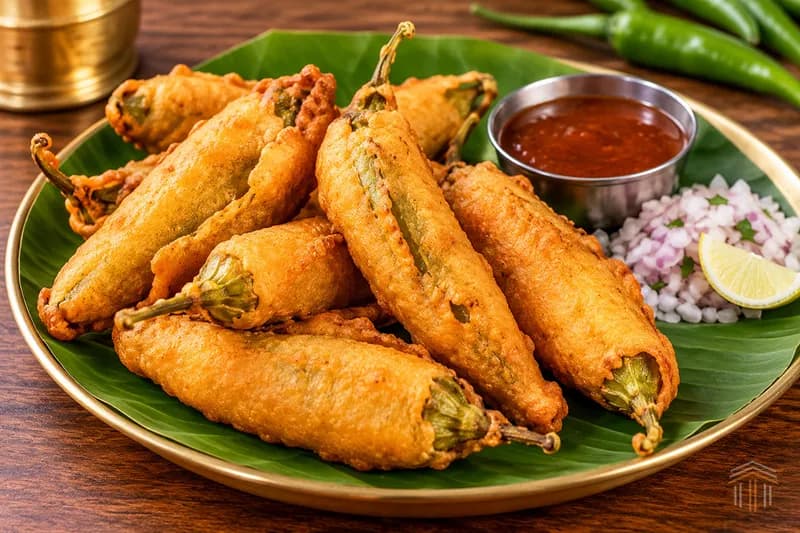
Warangal Mirchi Bajji
A popular street snack in Warangal, known for its spicy kick and crispy texture. Usually served hot with tamarind or peanut chutney.
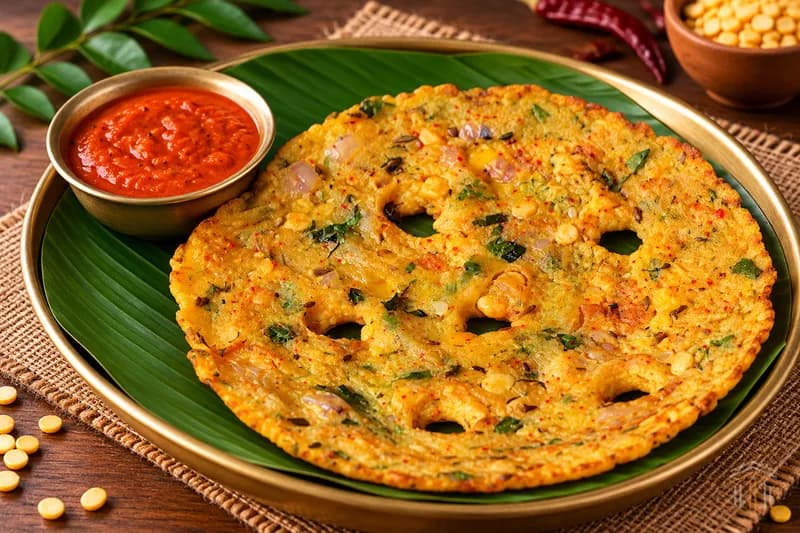
Sarva Pindi
A traditional Telangana snack, this savory pancake is crispy on the outside and soft on the inside. Best enjoyed with pickle or chutney.
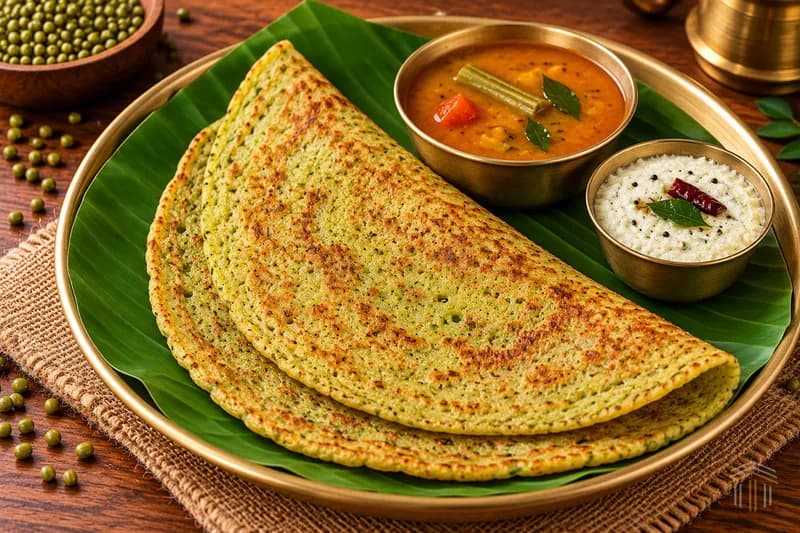
Pesarattu
A nutritious and protein-rich dish, often stuffed with onions or upma. Popular as a breakfast item.
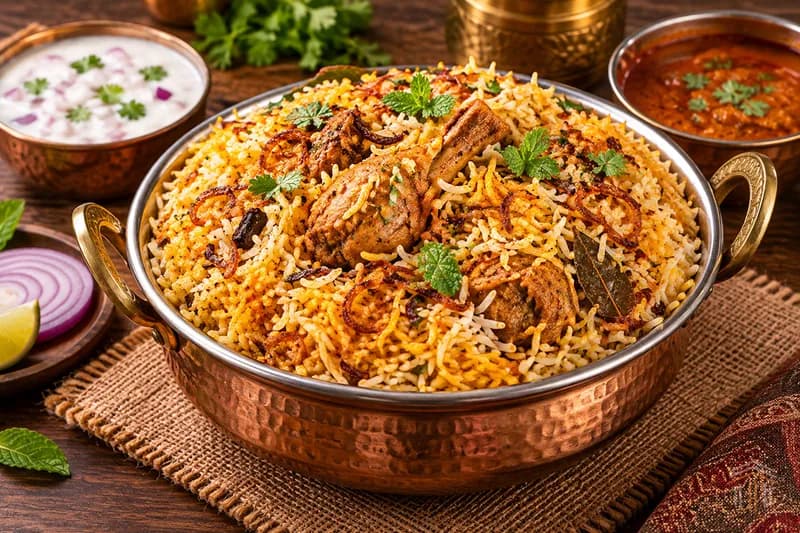
Biryani (Kakatiya Style)
A rich, flavorful biryani with a unique blend of spices, inspired by Kakatiya culinary traditions. Often served with raita and salan.
Visitor guide
Hanamkonda Bus Station
2.5 km
- A key hub for intra-city and intercity buses operated by TSRTC. Frequent services connect to various parts of Warangal and nearby towns. Autos and local buses are available to reach the temple.
Warangal District Bus Stand
3.5 km
- Serves local routes and regional buses. Shared autos and buses are easily accessible from here to reach Bhadrakali Temple.
Videos
Third-party videos may include ads or external commentary.
Frequently Asked Questions
Bhadrakali Temple is famous for being one of the oldest and most powerful Shakti Peethas in Telangana, dedicated to Goddess Bhadrakali, and is renowned for its scenic location beside the Bhadrakali Lake.
It is located atop a hillock between Warangal and Hanamkonda, Telangana, overlooking the Bhadrakali Lake.
The temple was built in 625 CE by the Chalukya king Pulakeshin II, making it one of the oldest Kali temples in South India.
The temple is dedicated to Goddess Bhadrakali, a fierce form of Goddess Shakti, depicted in a seated posture holding a trishul (trident) and other weapons.
The idol is carved from a single black granite stone and is around 2.7 meters tall, seated with eight arms holding various weapons, and is considered highly powerful by devotees.
Bhadrakali Lake, built by King Ganapathi Deva, is a large artificial lake adjacent to the temple, adding to its scenic and spiritual appeal, especially during sunrise and sunset visits.
The temple is generally open from early morning to evening, though exact darshan timings may vary on festival days.
Dasara (Navaratri) is celebrated with great devotion and grandeur at Bhadrakali Temple, attracting large numbers of devotees.
Yes, the temple has strong ties to both the Chalukya and Kakatiya dynasties, who contributed to its construction and development over centuries.
The months from October to February offer pleasant weather, and visiting during Dasara adds special cultural and spiritual significance to the experience.