
Virupaksha Temple
 Vijayanagara, Karnataka, India
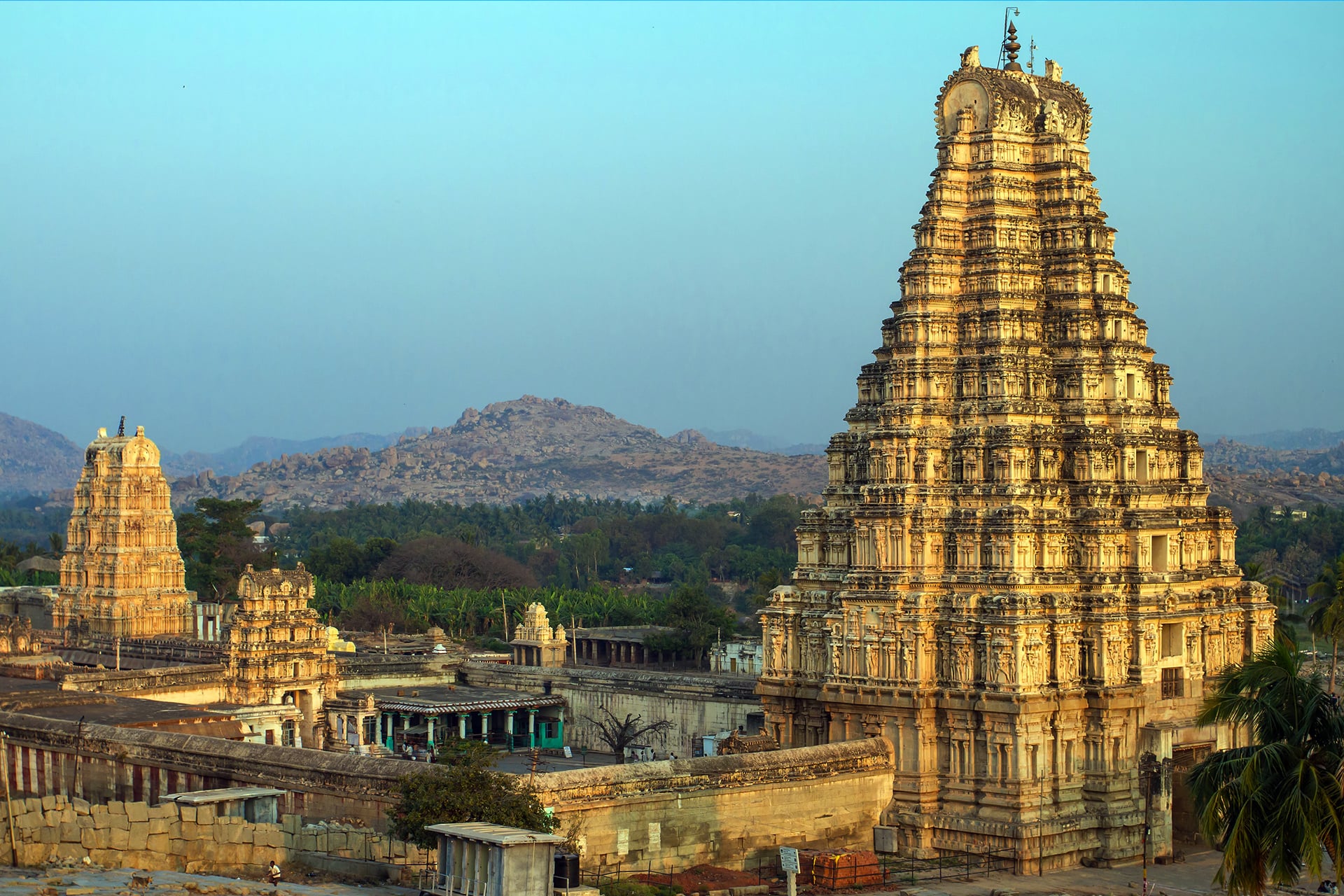
Virupaksha Temple in Hampi, Karnataka, is a magnificent symbol of Vijayanagara architecture and Hindu heritage. Famous for its towering gopuram, intricate carvings, and centuries-old history, it remains a revered temple.
- ReligionHindu
- DeityLord Shiva (Virupaksha)
- TimingsMorning: 06:00 AM - 01:00 PM. Evening: 05:00 PM - 09:00 PM
About the temple
About the temple
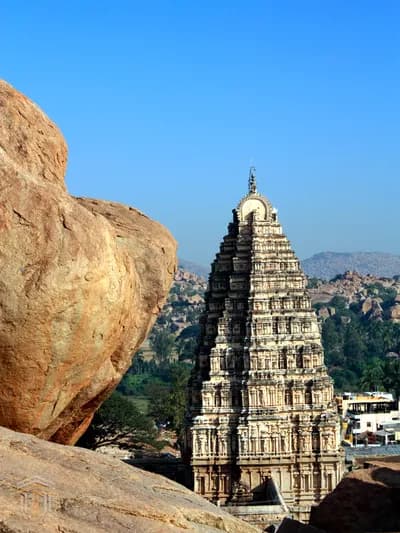
Virupaksha Temple, located in Hampi, Karnataka, is one of the oldest and most revered temples in India, dedicated to Lord Shiva. Renowned for its towering gopuram, intricate Vijayanagara architecture, and continuous worship since the 7th century, the temple attracts devotees and tourists alike. It serves as both a place of spiritual significance and a symbol of the rich cultural heritage of the Vijayanagara Empire.
Virupaksha Temple
Virupaksha Temple
The Eternal Majesty of Virupaksha Temple in Numbers
The Virupaksha Temple in Hampi stands as a magnificent testimony to the rich cultural and spiritual heritage of South India. Known for its impressive architecture, historical legacy, and uninterrupted worship for over 1,300 years, the temple continues to be a focal point for devotees and tourists alike. It remains an enduring symbol of the Vijayanagara Empire's glory and the devotional spirit of the region.
- Continuous Worship and Rituals Since the 7th Century
- 1300+ Years
- Height of the Main Gopuram (Eastern Tower)
- 50 m
- Levels of the Main Gopuram
- 9 Stories
- Main Courtyards within the Temple Complex
- 2
- Principal Shrines (Virupaksha, Pampa Devi, Bhuvaneshwari)
- 3
- Distance from the Temple to the Sacred Tungabhadra River
- 2 km
- Annual Pilgrims during Major Festivals
- 10000+
- Year of the Battle of Talikota (When the Vijayanagara Empire Fell)
- 1565
- Year Hampi Became a UNESCO World Heritage Site
- 1986
- Duration of the Pampa Virupaksha Marriage Festival
- 2 Days
Continuous Worship and Rituals Since the 7th Century
Height of the Main Gopuram (Eastern Tower)
Levels of the Main Gopuram
Main Courtyards within the Temple Complex
Principal Shrines (Virupaksha, Pampa Devi, Bhuvaneshwari)
Distance from the Temple to the Sacred Tungabhadra River
Annual Pilgrims during Major Festivals
Year of the Battle of Talikota (When the Vijayanagara Empire Fell)
Year Hampi Became a UNESCO World Heritage Site
Duration of the Pampa Virupaksha Marriage Festival
Historical Background
Virupaksha Temple in Hampi, Karnataka, is a historic temple dedicated to Lord Virupaksha, a form of Lord Shiva, with origins tracing back to the early Chalukyan period. The temple flourished under the Vijayanagara Empire, particularly during the reign of Krishnadevaraya, when its magnificent gopuram, pillared halls, and intricate artistic features were developed. Remarkably, it continued as an active place of worship even after the fall of Vijayanagara. Today, Virupaksha Temple remains a living centre of devotion and an iconic part of Hampi’s architectural and cultural heritage.
7th Century
7th Century
Origins: The Virupaksha Temple is believed to have originated as a small shrine dedicated to Lord Shiva. Initially constructed during the early Chalukyan period, it served as a modest place of worship.10th - 13th Century
10th - 13th Century
Development under the Kalyana Chalukyas and Hoysalas Inscriptions from this era record land grants made by the Kalyana Chalukya kings to the Virupaksha temple, reflecting its growing religious and administrative importance. Later, between the 12th and 14th centuries, the Hoysala rulers extended their patronage to the site, with inscriptions from around 1199 CE referencing temple building activity dedicated to Shiva and the goddess Hampadevi in the region.1336
1336
Vijayanagara Empire Established Harihara and Bukka, the founders of the Vijayanagara Empire, establish their capital at Hampi. The temple becomes the spiritual center of the empire, closely associated with the royal family.14th - 16th Century
14th - 16th Century
Flourishing Under Vijayanagara Rule Major expansions take place under the patronage of Krishnadevaraya (1509-1529), the most famous Vijayanagara king. Construction of the 50-meter-tall gopuram (gateway tower), pillared halls, and intricate carvings. The temple complex is further beautified with mural paintings, depicting mythological stories. The temple becomes a significant center for religious, cultural, and social activities.1565
1565
Battle of Talikota The Vijayanagara Empire falls after being defeated by the Deccan Sultanates. Hampi is sacked, and many structures are destroyed, but the Virupaksha Temple survives, preserving its sanctity. 17th - 19th Century: Continuity Through Local Patronage and Restoration Even as larger political structures shifted in the Deccan, the Virupaksha Temple remained in active worship, sustained largely by local devotion rather than royal patronage. By the early 19th century, restoration work was undertaken on parts of the complex, including repairs to damaged sections of the north and east gopuram towers.17th - 19th Century
17th - 19th Century
Continuity Through Local Patronage and Restoration Even as larger political structures shifted in the Deccan, the Virupaksha Temple remained in active worship, sustained largely by local devotion rather than royal patronage. By the early 19th century, restoration work was undertaken on parts of the complex, including repairs to damaged sections of the north and east gopuram towers.21st Century
21st Century
Cultural and Religious Hub Virupaksha Temple continues to function as an active Hindu temple, attracting pilgrims and tourists worldwide. The temple becomes a focal point during the annual Hampi Utsav and the Pampa Virupaksha marriage festival. Recognized for its architectural grandeur and historical continuity, it remains an iconic symbol of South Indian heritage.


Synopsis
The Virupaksha Temple, situated in the historic town of Hampi, Karnataka, is an ancient and sacred Hindu temple dedicated to Lord Shiva. Originating in the 7th century and flourishing under the Vijayanagara Empire, it remains a center of active worship. The temple is renowned for its towering gopuram, elaborate stone carvings, and vibrant annual festivals. As a testament to Hampi's architectural grandeur and spiritual legacy, Virupaksha Temple continues to draw devotees and history enthusiasts from around the world.
The Virupaksha Temple in Hampi, Karnataka, traces its origins back to the 7th century, making it one of the oldest active temples in India. Originally a small shrine dedicated to Lord Shiva, it was revered as the holy site where Goddess Pampa performed penance to win Shiva's love. The temple's association with the divine union of Virupaksha (Shiva) and Pampa (Parvati) established it as a sacred site, and it gradually evolved into a major pilgrimage center.
During the height of the Vijayanagara Empire, the temple underwent significant expansion, especially under the reign of Krishnadevaraya (1509-1529). It became the spiritual heart of the empire, symbolizing both religious devotion and royal patronage. Notable architectural additions during this period include the towering 50-meter gopuram, intricately carved pillars, and extensive mural paintings. The temple's grandeur attracted devotees from across South India, making it a focal point of cultural and spiritual life.
After the defeat of the Vijayanagara Empire in the Battle of Talikota, Hampi was ransacked and much of the city fell into ruins. However, unlike other monuments, the Virupaksha Temple remained intact, a testament to its deep spiritual significance. Despite the devastation around it, the temple continued its uninterrupted worship, preserving its sanctity through turbulent times.
In the 20th century, archaeological efforts revitalized the temple, focusing on conservation and restoration. In 1986, Hampi, including the Virupaksha Temple, was declared a UNESCO World Heritage Site. This global recognition led to increased tourism, making the temple a centerpiece of cultural heritage and a symbol of Hampi's glorious past. Today, the Virupaksha Temple stands as both an active religious site and a historical landmark, attracting thousands of visitors annually during major festivals like the Pampa Virupaksha marriage festival and the Hampi Utsav.
Sacred significance
Sacred Abode of Lord Virupaksha (Shiva)
Dedicated to Lord Virupaksha, a form of Shiva, the temple is a vital spiritual center believed to hold immense divine energy. It continues as a place of active worship for over a millennium, symbolizing eternal devotion.
Unbroken Lineage of Worship
The temple's rituals and traditions have been unbroken since the 7th century CE. Even during the decline of Hampi, the temple remained functional, making it a rare example of uninterrupted worship in India.
Pilgrimage Destination for Moksha Seekers
Devotees believe that worship at Virupaksha Temple can lead to spiritual liberation (moksha). Special rituals and prayers are performed to seek divine grace for overcoming life's obstacles and karmic burdens.
Architecture
The Pampa Virupaksha marriage festival is the most celebrated event at the Virupaksha Temple in Hampi. It commemorates the divine union of Lord Virupaksha (Shiva) and Goddess Pampa (Parvati). Held annually, this vibrant festival features ritual processions, cultural performances, and elaborate ceremonies, drawing thousands of devotees who participate in the symbolic reenactment of the celestial wedding.
Gopuram
Majestic Entrance Tower
The Virupaksha Temple Gopuram, standing at approximately 50 meters, is a towering gateway that marks the temple's entrance. Adorned with intricate carvings depicting deities, mythological scenes, and floral motifs, the gopuram exemplifies the Vijayanagara architectural style. Its towering structure symbolizes a connection between the earthly realm and the divine.
Sanctum Sanctorum
The Holy Garbhagriha
The Sanctum Sanctorum (Garbhagriha) houses the lingam of Lord Virupaksha, the principal deity. Constructed with granite stones, the inner sanctum is designed to maintain a serene and dimly lit ambiance, enhancing the spiritual experience. The sanctum's structure symbolizes the womb of the universe, where the divine essence resides.
Mandapa
Ranga Mandapa (Main Hall)
The Ranga Mandapa is the main hall used for rituals, gatherings, and cultural performances. Supported by ornate pillars, each intricately carved with figures of deities, dancers, and mythological stories, it reflects the artistic excellence of the Vijayanagara era. The open pavilion style allows natural light and ventilation, creating a harmonious atmosphere.
Courtyard
Spacious Temple Courtyard
The courtyard of Virupaksha Temple serves as a space for processions, cultural events, and devotional gatherings. Surrounded by pillared corridors, it reflects the grandeur of the temple's layout. The open space is symbolic of welcoming devotees and hosting vibrant rituals, especially during major festivals.
Kalyana Mandapa
The Marriage Hall
The Kalyana Mandapa within the temple complex is where the Pampa Virupaksha marriage festival is celebrated annually. The hall features elegant pillars carved with floral patterns and celestial beings, emphasizing the divine union of Lord Virupaksha and Goddess Pampa. This structure symbolizes the eternal bond between the divine couple.
Pinhole Camera Effect
Optical Marvel of the Gopuram Shadow
A fascinating architectural feature is the pinhole camera effect inside a small dark chamber where the inverted shadow of the main gopuram is projected onto a wall through a small opening. This optical illusion reflects the scientific and architectural prowess of the temple's builders, blending spirituality with natural phenomena.
Temple Tank
Sacred River Tungabhadra
Although not a conventional temple tank, the temple is situated near the Tungabhadra River, whose waters are considered holy and purifying. Devotees perform ritual ablutions in the river before entering the temple, symbolizing spiritual cleansing and renewal.
Interesting facts

The Virupaksha Temple is one of the few temples in India that has seen uninterrupted worship since the 7th century. Even after the fall of the Vijayanagara Empire in 1565, rituals and offerings continued, preserving its spiritual legacy through centuries of change.
Deities & Shrines
Goddess Pampa
The Virupaksha Temple houses a shrine dedicated to Goddess Pampa, an incarnation of Parvati, revered as the consort of Lord Virupaksha (Shiva). Worshipped as the goddess of fertility and devotion, Pampa Devi is central to the temple's spiritual narrative. Devotees offer prayers to seek blessings for marital harmony and prosperity, especially during the Pampa Virupaksha marriage festival.
Goddess Bhuvaneshwari
The temple also features a shrine dedicated to Goddess Bhuvaneshwari, considered an aspect of Shakti. Known as the Goddess of the Universe, she symbolizes the creative energy that sustains life. Devotees worship her for strength, courage, and protection, reflecting the temple's celebration of divine femininity.
Lord Pataleshwara
Within the temple complex is a shrine dedicated to Lord Pataleshwara, a form of Shiva associated with the underworld (Patala). Devotees offer prayers here to ward off negative forces and seek liberation from earthly attachments. The shrine signifies Shiva's omnipresence, transcending all realms.
Sacred Nandi Shrine
Facing the sanctum sanctorum, the Nandi shrine houses a majestic statue of Nandi, the vahana (vehicle) of Lord Shiva. Nandi is revered as the guardian of the temple, and devotees offer prayers here before entering the sanctum, symbolizing purity and unwavering devotion.
Lord Ganapati (Ganesha)
A smaller shrine within the temple complex is dedicated to Lord Ganapati, the remover of obstacles. Known for bestowing wisdom and success, the Ganapati shrine is frequented by devotees seeking blessings for new beginnings and the removal of hindrances from their lives.
Darshan & Service Offerings
| Service | Timing | Price | Notes |
|---|---|---|---|
| Free Darshan | 6:00 AM - 9:00 PM (with breaks for rituals) | Free | Devotees can have darshan of Lord Virupaksha (Shiva) without any charge. Entry is through a general queue at the temple entrance. Peak hours, weekends, and festivals like Phalapuja and Maha Shivaratri may involve longer wait times due to high pilgrim turnout. |
| Special Darshan (Festival Days) | Aligned with specific ritual schedules | 25 | During major festivals, special darshan is facilitated for devotees participating in sevas or donating towards temple rituals. Includes closer access to the sanctum and participation in specific pujas. |
Visitor information
Location
The Virupaksha Temple is situated in Hampi, Karnataka, within the Hampi UNESCO World Heritage Site. It lies along the southern banks of the Tungabhadra River and is easily accessible from the Hospet Railway Station (13 km away). The nearest airport is Hubli Airport, approximately 166 km from the temple.
Ideal Visiting Season
The most suitable time to visit the temple is from October to February, when the weather is pleasant. The temple sees significant crowds during the Virupaksha Car Festival in March-April and the Pampa Virupaksha Marriage Festival in December.
Entry and Photography Charges
Entry to the Virupaksha Temple is free, but there is a small fee for photography and videography. Personal cameras are charged ₹50, and video cameras cost ₹500.
Traditional Attire Recommended
Visitors are expected to dress modestly. Men should wear dhoti or pants and a shirt, while women should wear sarees, salwar kameez, or long skirts. Footwear must be removed before entering the temple premises.
Exploring Hampi
Visitors can explore nearby historical sites such as the Hampi Bazaar, Hemakuta Hill Temples, and Krishna Temple, all within walking distance. The Vijaya Vittala Temple is also a must-see, located around 2 km from Virupaksha Temple.
Best Time to Visit
Ideal Season for Visiting Virupaksha Temple
The best time to visit Virupaksha Temple is from October to February, when Hampi experiences pleasant and cool weather. This period is ideal for exploring the temple and nearby ruins without the discomfort of summer heat.
Hampi Utsav Visit
Visit during the Hampi Utsav (usually in November) to witness vibrant cultural celebrations, including dance, music, and drama performances. The temple and surrounding area are beautifully decorated, attracting thousands of visitors.
Early Morning Darshan
Visiting the temple at sunrise (6:00 AM - 7:30 AM) offers a serene and spiritually uplifting experience. The temple's architecture glows in the soft morning light, and the crowd is minimal, allowing for peaceful worship.
Quiet Exploration During Monsoon
The monsoon months of June to September bring occasional rain but also enhance the beauty of the Tungabhadra River and surrounding landscapes. It's a peaceful time to explore the temple with fewer tourists.
Experiencing Local Rituals
Visiting on weekends can be vibrant and lively as locals gather for special poojas and rituals. Though slightly crowded, it's a great opportunity to witness the temple's devotional atmosphere.
Nearby places
Achyutaraya Temple
2.4 km
- Situated between the Matanga Hill and Gandhamadana Hill, this temple is dedicated to Lord Vishnu (Achyuta). Known for its grand architecture and ornate carvings, it is a remarkable example of the Vijayanagara architectural style.
Sri Krishna Temple
0.7 km
- An ancient temple dedicated to Lord Krishna, located near the Virupaksha Temple. It houses a beautifully carved monolithic idol of Lord Krishna and intricate carvings depicting mythological tales.
Hemakuta Hill Temples
1.5 km
- A cluster of small temples dedicated to Lord Shiva, located on Hemakuta Hill. The temples are known for their pyramid-like roofs and offer a panoramic view of the Hampi ruins and the Virupaksha Temple.
Shree Badavilinga Temple
1.3 km
- Home to the largest monolithic Shiva Linga in Hampi, this temple is partially submerged in water, symbolizing Lord Shiva's eternal presence. The atmosphere is tranquil, attracting devotees throughout the day.
Festivals & culture
Virupaksha Temple celebrates several vibrant festivals throughout the year, with Phalapuja being the most prominent. Held in March-April, it marks the divine wedding of Lord Virupaksha and Goddess Pampa, featuring grand rituals, processions, and temple decorations. Maha Shivaratri is another major event, observed with night-long worship and special poojas in honor of Lord Shiva. The Hampi Utsav, a cultural festival supported by the Karnataka government, also highlights the temple with classical performances and processions. Other celebrations like Karthika Deepotsava and Rathotsava (chariot festival) further enrich the temple's spiritual and cultural atmosphere, drawing thousands of devotees each year.
Hampi Utsav
November
A grand cultural festival celebrated annually, showcasing dance, music, drama, and art forms from Karnataka. The festival revives the grandeur of the Vijayanagara Empire and includes processions, puppet shows, and fireworks.
Maha Shivaratri
February-March (Phalguna)
A significant night-long celebration dedicated to Lord Shiva, marked by special poojas, abhishekams, and devotional singing. The temple is beautifully decorated, and devotees observe fasting and night vigils.
Car Festival (Rathotsava)
March-April (Chaitra)
The idol of Lord Virupaksha is placed in a grand wooden chariot and pulled through the streets by devotees. This ritual procession signifies Lord Shiva's presence among the people.
Pampa Virupaksha Pattabhisheka
December-January (Margashira)
Celebrates the divine marriage of Lord Virupaksha and Goddess Pampa, featuring traditional rituals, cultural performances, and community feasts.
Deepotsava (Festival of Lights)
October- November (Karthika)
The temple is illuminated with thousands of oil lamps, and rituals are performed to honor Lord Shiva and Goddess Pampa. The evening aarti is particularly mesmerizing.
Additional information
Traditional Attire Recommended
Visitors are advised to wear traditional Indian attire while entering the temple premises. Men should wear dhoti or trousers, while women should wear sarees or salwar kameez. Western attire like shorts and sleeveless tops are not permitted.
Restricted Areas for Photography
Photography is strictly prohibited inside the sanctum sanctorum and some inner areas of the temple. However, visitors can take photographs of the temple architecture and outer premises. Always look for signage indicating restricted areas.
Facilities for Elderly and Disabled
The temple provides wheelchair access and ramps at key entry points. Assistance is available for elderly and differently-abled devotees, ensuring a comfortable and accessible spiritual experience.
Usage Restrictions
Mobile phones must be switched off or kept on silent mode within the temple premises. Usage is not allowed inside the main shrine area, and lockers are available to store electronic gadgets.
Dedicated Counters for Offerings
Donation counters are available at the temple entrance where devotees can offer money, flowers, and food items. Digital donations via UPI and card payments are also accepted.
Temple facilities
Free Drinking Water Stations
The temple premises have multiple drinking water kiosks providing clean, filtered water for devotees. These stations are strategically placed near the main entrance, parking areas, and rest zones.
Public Restrooms
Well-maintained restroom facilities are available within the temple complex, including separate washrooms for men and women. These facilities are regularly cleaned and accessible during temple hours.
Temple-Run Lodging Facilities
The temple administration offers affordable guest houses and dormitories nearby. Rooms can be booked at the temple office, and they include basic amenities like beds, bathrooms, and drinking water.
Free Meal Distribution
Devotees can partake in free meals (Annadanam) served daily at the temple's dining hall. The food is simple yet nutritious, prepared as part of the temple's community service initiatives.
Assistance for Lost Items
A dedicated Lost and Found counter is located near the temple entrance. Devotees can report missing belongings or inquire about found items here.
Emergency services
Sripathi Multispeciality Hospital
13 km
Contact
+91 8394228784
- A hospital located in Bus stand road, Hospet, providing general healthcare services along with specialized treatments such as orthopaedics, gynaecology, paediatrics, and surgical care.
City Central Hospital
14 km
Contact
+91 9449563333
- Multi-specialty private hospital providing services like cardiology, pediatrics, and diagnostics. Available round the clock for medical emergencies.
Top picks
Neer Dosa
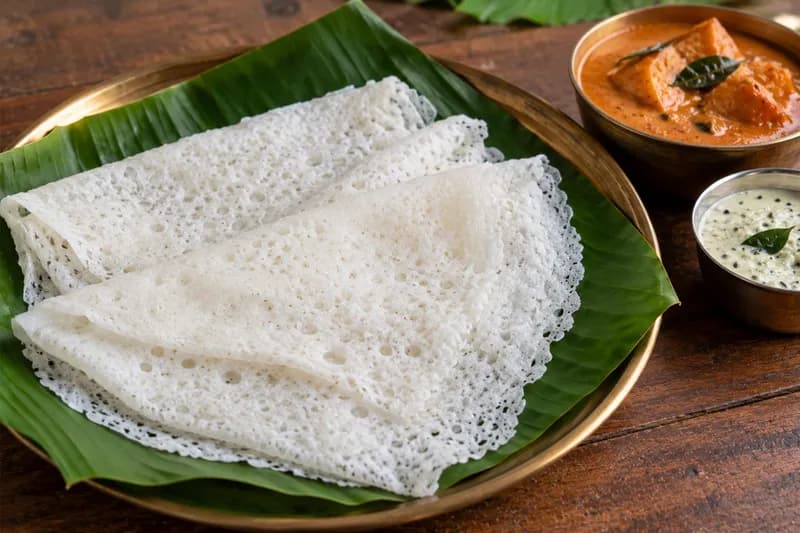
A popular breakfast dish in the region, made from a thin batter of fermented rice, cooked to perfection on a griddle. The dosa is light and fluffy, often enjoyed with a variety of chutneys or chicken curry.
Kundapur Chicken Curry
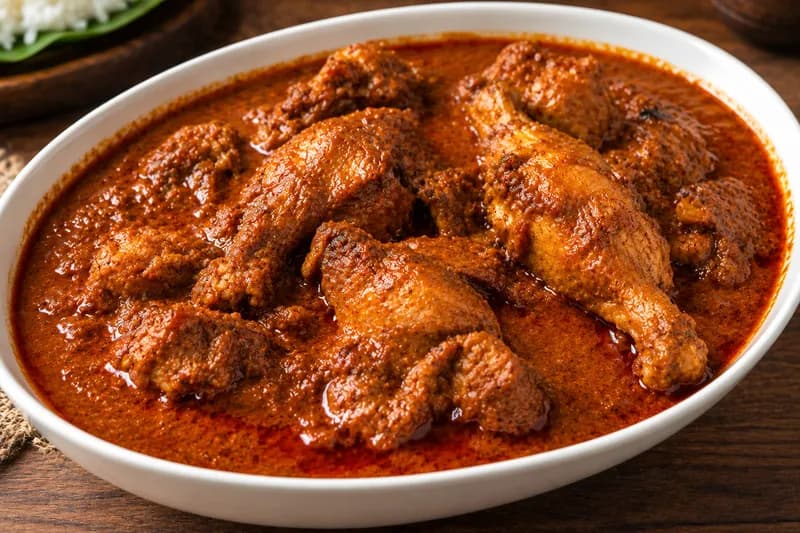
A flavorful dish from coastal Karnataka, featuring tender chicken pieces in a thick, aromatic gravy, typically served with neer dosa or steamed rice.

Maddur Vada
A famous South Indian snack known for its crispy texture and unique flavor, often enjoyed with coconut chutney or tomato ketchup.
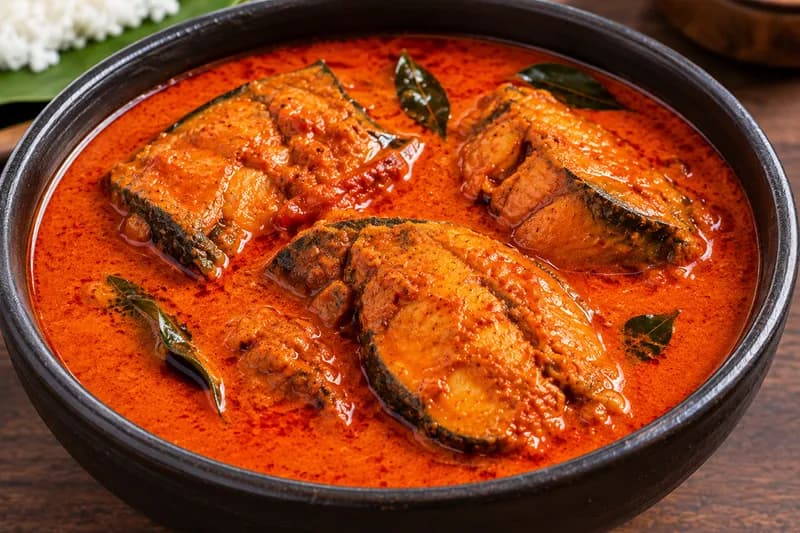
Mangalorean Fish Curry
This dish is a staple in the region, known for its robust flavors of tamarind, red chilies, and grated coconut. Best served with boiled rice or roti.

Pathrode
A regional delicacy prepared during monsoon, this dish combines the earthy flavor of colocasia with the spice of rice and coconut filling. Served sliced and shallow-fried or steamed.
Visitor guide
Hampi Bus Stand
1 km
- The nearest bus stop to the Virupaksha Temple, providing frequent local and intercity buses connecting Hampi to Hospet, Bellary, and nearby towns. Autos and cycle rickshaws are readily available.
Hospet KSRTC Bus Stand
13 km
- Major bus station with KSRTC and private buses to Bengaluru, Hubli, and other parts of Karnataka. Regular connections to Hampi via local buses and taxis.
Gallery
Videos
Third-party videos may include ads or external commentary.
Frequently Asked Questions
Virupaksha Temple is located in Hampi, Karnataka, India, on the banks of the Tungabhadra River. It is one of the most famous and historically significant temples in the Hampi heritage site.
Virupaksha Temple is famous for its ancient architecture, religious significance, and connection to the Vijayanagara Empire. Dedicated to Lord Shiva, it is one of the few Hampi temples that remains an active place of worship.
Virupaksha Temple is dedicated to Lord Shiva, worshipped here as Virupaksha. Virupaksha is a form of Lord Shiva and is the principal deity of the temple.
Virupaksha Temple has ancient origins, with its earliest shrine dating back before the Vijayanagara Empire. The temple complex was significantly expanded and developed under the rulers of the Vijayanagara Empire, particularly during the 14th to 16th centuries.
The history of Virupaksha Temple dates back several centuries. It began as a small shrine dedicated to Lord Shiva and grew into a major temple complex during the Vijayanagara period, becoming an important religious center in Hampi.
Virupaksha Temple generally opens in the morning and remains open until evening, with specific timings for darshan and temple rituals. Visitors should check the latest timings before their visit, as schedules can change during festivals and special occasions.
Visitors can generally enter the Virupaksha Temple complex for worship, while certain areas or activities may have specific access rules or charges. It is advisable to check the current regulations before visiting.
Virupaksha Temple is known for its impressive Dravidian-style architecture, detailed stone carvings, ornate pillars, and towering gopuram. The temple also features a fascinating inverted shadow or pinhole-style architectural effect associated with its eastern gateway.
Major celebrations at Virupaksha Temple include the annual Virupaksha and Pampa festivals, along with important Hindu festivals such as Maha Shivaratri. The temple becomes especially vibrant during major religious celebrations.
Virupaksha Temple is located in the heart of Hampi and can be reached by road from nearby cities such as Hospet and Bengaluru. Hospet, now officially known as Hosapete, is the nearest major railway-connected town, while Hubballi Airport is one of the closest airports.