
Pilgrimage & Travel
Sabarimala Pilgrimage Guide 2026: Booking, Vratham, Travel, Rules and Darshan Tips
- Published date
- 4 Nov 2026
- Author
- The Temple Pilgrim
- Lord Ayyappa
Planning your Sabarimala pilgrimage in 2026? This comprehensive guide covers virtual queue registration, the traditional 41-day Vratham, Irumudi Kettu, travel arrangements, trekking to Sannidhanam, accommodation, and essential safety guidelines for devotees visiting Lord Ayyappa's sacred abode.
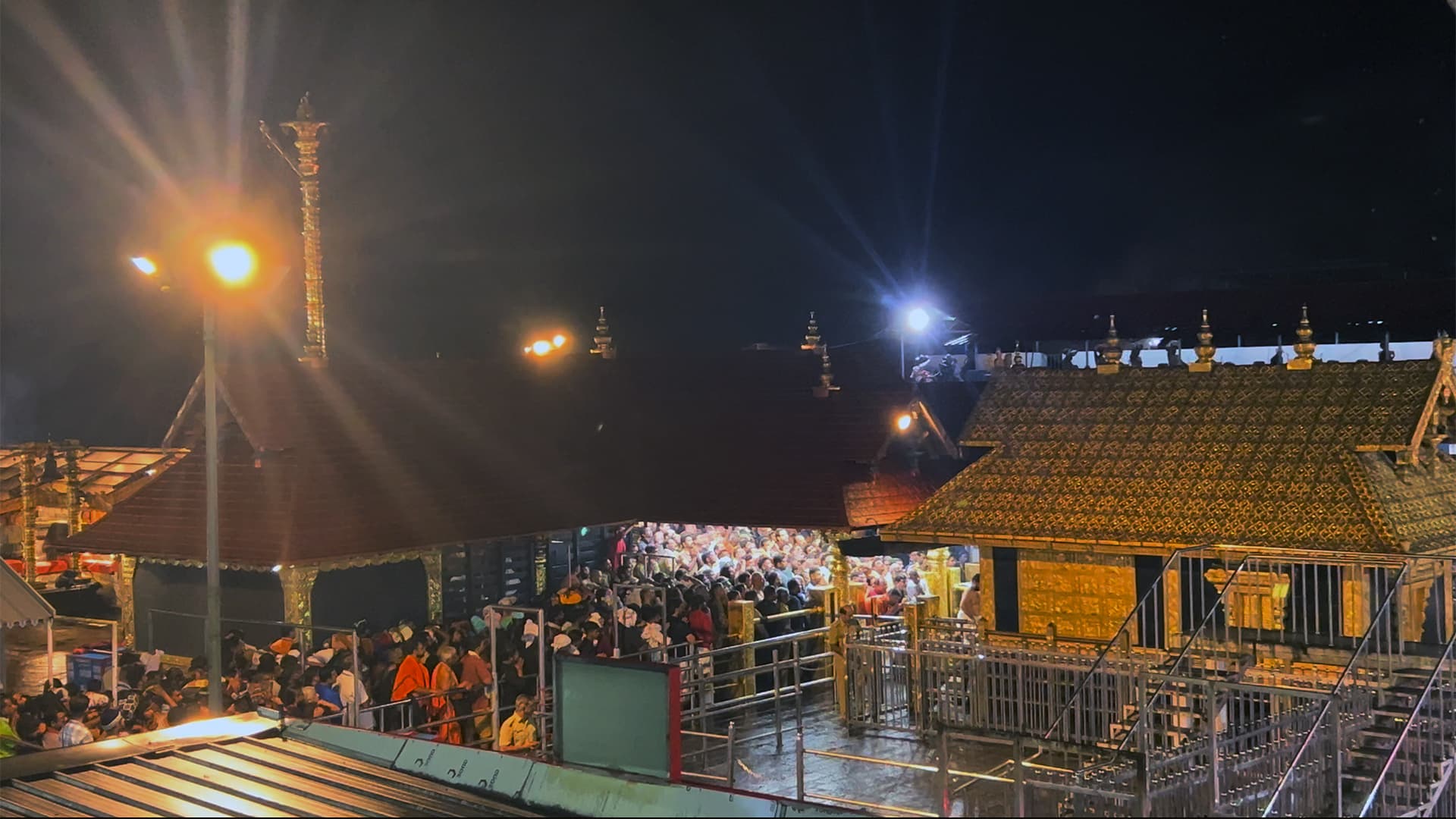
Sabarimala Sree Dharma Sastha Temple, situated in the Western Ghats of Kerala, is one of India's most revered pilgrimage destinations. Every year, millions of devotees undertake this spiritual journey to seek the blessings of Lord Ayyappa. The pilgrimage is known not only for its religious significance but also for its traditions of discipline, devotion, equality, and self-restraint.
Whether you are a first-time pilgrim or an experienced Ayyappa devotee, careful preparation can help make your Sabarimala journey in 2026 safer, more organised, and spiritually fulfilling.
1. Sabarimala Temple 2026: An Overview
Sabarimala Temple is located in the Periyar Tiger Reserve region of Kerala's Pathanamthitta district. Devotees traditionally approach the temple through Pamba and undertake the uphill pilgrimage to Sannidhanam, where the main shrine is situated.
The temple attracts pilgrims particularly during the Mandala- Makaravilakku season, along with other officially announced opening periods throughout the year.
The pilgrimage involves several important traditions, including observing Vratham, wearing traditional attire, preparing the Irumudi Kettu, and following the temple's prescribed procedures.
Before planning your visit, check the official temple announcements for the latest opening dates, darshan arrangements, travel restrictions, and booking instructions for the 2026–2027 pilgrimage season.
2. Sabarimala Virtual Queue Booking 2026
Sabarimala Virtual Queue Booking is an important part of planning your pilgrimage to Lord Ayyappa's temple. The online booking system helps devotees check the available darshan dates and time slots and plan their visit according to the arrangements announced by the Travancore Devaswom Board.
Devotees can visit the official Sabarimala Online portal to check the latest registration instructions and complete their Sabarimala darshan booking when online booking is available.
Official booking website: https://sabarimalaonline.org/
Sabarimala Online Booking Details 2026
|
Booking detail |
Information for 2026–27 |
|
Official booking website |
|
|
Booking system |
Virtual Queue (Virtual-Q) |
|
Is booking mandatory? |
Yes. The Travancore Devaswom Board states that Virtual-Q booking is mandatory for pilgrims visiting Sabarimala. |
|
Booking opening date |
29 October 2026, from 10:00 AM |
|
Online booking fee |
Free of charge, according to the booking announcement |
|
Daily darshan limit |
80,000 pilgrims, including spot bookings |
|
Booking confirmation |
Save or download the booking confirmation |
|
Important requirement |
Follow the date, time, and entry instructions provided with your booking |
Route-Wise Virtual Queue Booking Allocation
The following online slot allocations were announced for the 2026-27 pilgrimage season:
|
Pilgrimage route |
Daily online slot allocation |
|
Nilakkal - Pamba route |
60,000 |
|
Erumeli forest route |
3,000 |
|
Vandiperiyar - Sathram route |
3,000 |
|
Total online allocation across these routes |
66,000 |
How to register for Sabarimala darshan
Check the Sabarimala online booking date announced for your chosen pilgrimage period before making travel plans.
1. Visit the official Sabarimala Online portal.
2. Follow the available registration or virtual queue booking instructions.
3. Enter the requested pilgrim details accurately.
4. Select an available darshan date or time slot, where applicable.
5. Complete the registration process and save the confirmation.
6. Carry the required identification documents and booking confirmation during your journey.
Always use the official portal for registration and avoid unofficial websites that promise guaranteed darshan or charge unnecessary booking fees.
Documents to carry
Keep the following documents ready, subject to the current official requirements:
-
Valid government-issued photo identification, such as an Aadhaar card, passport, or voter ID.
-
Virtual queue booking confirmation, if applicable.
-
Any additional documents specifically requested by the authorities.
Ensure that the details on your identification document match your registration information wherever required.
What about spot registration?
Limited offline or spot-registration facilities may be announced at designated locations during particular pilgrimage periods. Their availability, operating hours, and eligibility conditions can change.
Do not assume that a walk-in registration counter will be available when you arrive. Confirm the latest arrangements through official announcements and prioritise booking whenever possible.
3. The Traditional 41-Day Vratham
Vratham is a central part of the Sabarimala pilgrimage. Traditionally, devotees observe a period of spiritual preparation lasting 41 days before undertaking the journey.
The purpose of Vratham is to cultivate discipline, devotion, simplicity, and control over one's thoughts and actions.
Important Vratham practices
Traditions may vary according to family customs, temple guidance, and the devotee's spiritual teacher. Common practices include:
-
Vegetarian food: Following a vegetarian diet and avoiding intoxicants.
-
Celibacy and self-restraint: Observing the discipline associated with the vow.
-
Daily prayers: Offering prayers and chanting Lord Ayyappa's name.
-
Simple living: Practising humility, patience, and restraint.
-
Spiritual discipline: Avoiding harmful behaviour and cultivating compassion and equality.
-
Mala wearing: Traditionally wearing a sacred mala under the guidance of a Guruswamy or as prescribed by one's tradition.
Devotees beginning their first pilgrimage should seek guidance from an experienced Guruswamy or a trusted Ayyappa temple.
The traditional 41-day period is an important religious observance, but personal preparation and specific customs should be discussed with one's spiritual guide.
4. Dress Code and Traditional Attire
Ayyappa devotees commonly wear black, dark blue, or saffron-coloured clothing during the pilgrimage. These colours are associated with the traditional practices followed by many pilgrims.
Comfortable, modest, weather-appropriate clothing is essential, particularly for the uphill trek and periods of heavy crowd movement.
Devotees should also:
-
Follow the current temple dress and entry instructions.
-
Wear suitable footwear while travelling and walking where permitted.
-
Follow local instructions concerning footwear removal in designated sacred areas.
-
Carry a light change of clothing and a towel.
-
Avoid unnecessary luggage that may make the trek more difficult.
Although barefoot walking is part of some devotees' traditional observances, pilgrims should follow official route instructions and consider their physical condition and safety.
5. Understanding Irumudi Kettu
Irumudi Kettu is the traditional two-compartment sacred bundle carried by devotees undertaking the Sabarimala pilgrimage according to the prescribed ritual.
The term Ayyappa Irumudi is also used by devotees to refer to this sacred bundle.
It contains offerings for Lord Ayyappa and items needed for specific religious ceremonies. A ghee-filled coconut, commonly known as Nei Thenga, is among its important traditional offerings.
Why is Irumudi Kettu important?
Irumudi Kettu represents the devotee's commitment to the pilgrimage and its spiritual traditions. The preparation and packing process follow established religious customs.
First-time pilgrims should arrange the Irumudi Kettu with the assistance of an experienced Guruswamy or a knowledgeable temple authority.
Important tips for pilgrims
-
Confirm the prescribed contents before preparing the bundle.
-
Pack the offerings carefully to prevent leakage or damage.
-
Follow current security and transport instructions for carrying coconuts and other ritual items.
-
Avoid carrying prohibited articles.
-
Follow the instructions of temple officials during entry and darshan.
Pilgrims should not assume that airline, road-transport, and temple security rules are identical. Check the applicable rules for each part of your journey.
6. How to Reach Sabarimala Temple
Pilgrims can plan their journey by road, rail, or air, depending on their starting location.
By road
Many devotees travel by private vehicle, bus, or organised pilgrimage transport to the designated access points. Pamba is an important transit point for pilgrims travelling to Sannidhanam.
During peak pilgrimage periods, authorities may introduce traffic diversions, parking restrictions, vehicle regulations, or route-specific instructions.
Drivers should:
-
Plan the journey in advance.
-
Take sufficient rest before driving.
-
Avoid driving when tired.
-
Follow police instructions and authorised parking arrangements.
-
Check whether any temporary vehicle permits or other documents are required.
If temporary permits are announced for your vehicle category, use the official government process specified in the relevant notification. Do not assume that the mParivahan app alone fulfils every permit requirement.
By train
Pilgrims may travel by train to a suitable railway station in Kerala and continue by road to the designated pilgrimage access point. The best station depends on the origin of travel, train availability, and current transport arrangements.
Book train tickets early during busy pilgrimage periods and allow sufficient time for onward travel.
By air
Air travellers can consider airports serving central and southern Kerala, then arrange onward road transport. Confirm current flight schedules, airport transfer times, and any transport restrictions before finalising the itinerary.
From Pamba to Sannidhanam
The traditional route from Pamba to Sannidhanam involves an uphill trek. The distance, estimated travel time, and route conditions can vary with the path and official arrangements in effect.
Wear suitable clothing, carry essential medicines, drink water at permitted locations, and allow enough time for the ascent. Avoid rushing, particularly when the route is crowded.
7. Sabarimala Pilgrimage Safety Guidelines
Safety is essential during the Sabarimala pilgrimage because devotees travel through hilly terrain, forest areas, and crowded pathways.
Authorities may deploy police personnel, medical teams, fire and rescue services, and other support staff along designated routes, including the Pamba–Sannidhanam stretch. The location and availability of facilities may vary.
Health and medical preparation
Before beginning the trek:
-
Assess your fitness and consult a healthcare professional if you have concerns about undertaking strenuous uphill walking.
-
Carry prescribed medicines and essential medical information.
-
Avoid overexertion and take breaks when necessary.
-
Seek help immediately if you experience chest pain, severe breathlessness, dizziness, or other concerning symptoms.
-
Follow the instructions of medical personnel and emergency responders.
Older pilgrims and people with mobility limitations should plan particularly carefully and confirm the support facilities and access arrangements available for their visit.
Follow authorised routes
Use only designated pilgrimage pathways and obey barriers, signboards, and instructions from the police and temple authorities.
Entering unauthorised forest paths or bathing in restricted streams, rivers, or other natural water bodies can expose pilgrims to serious risks. Follow the current restrictions on bathing and water access.
Keep children and elderly pilgrims safe
Families travelling with children or older devotees should agree on
meeting points, keep essential contact details accessible, and avoid separating in crowded areas.
Do not push or rush through queues. Follow crowd-control instructions, even when waiting times are long.
8. Plastic Restrictions and Environmental Protection
Sabarimala lies within an ecologically sensitive forest landscape. Protecting this environment is a shared responsibility of pilgrims and authorities.
Restrictions on single-use plastics, littering, prohibited materials, and access to protected areas may apply during the pilgrimage.
To minimise environmental impact:
-
Carry reusable water bottles where permitted.
-
Avoid disposable plastic bags and unnecessary packaging.
-
Dispose of waste only in designated bins.
-
Do not throw food wrappers or bottles along trekking routes.
-
Do not feed or disturb wildlife.
-
Follow restrictions on fire, smoking, and flammable items.
-
Cooperate with green check-posts and environmental inspections where operating.
Check the latest official instructions for prohibited items before departure. Rules may differ according to the location and current security arrangements.
9. Accommodation and Facilities
Accommodation options and facilities may be available at designated locations around the pilgrimage route, depending on the season and current arrangements.
Demand is especially high during major pilgrimage dates, so devotees should plan ahead.
Accommodation tips
-
Check the official booking channels for accommodation availability.
-
Confirm whether a reservation is required.
-
Do not rely on finding a room immediately upon arrival.
-
Carry only essential luggage.
-
Keep your identification documents and booking confirmation secure.
-
Follow the rules of the accommodation facility and temple authorities.
Pilgrims should also check the availability of food, drinking water, toilets, medical assistance, and transport services along their intended route. Facilities can become busy or change during peak periods.
10. Best Time to Plan Your Sabarimala Pilgrimage in 2026
Sabarimala has multiple officially announced opening periods, with the Mandala-Makaravilakku season being especially significant.
The precise opening and closing dates, darshan timings, booking slots, and crowd-management arrangements should be confirmed through the official announcements for 2026–2027.
When selecting your travel dates, consider:
-
The temple's officially announced opening schedule.
-
Virtual queue availability and applicable booking rules.
-
Expected crowd levels.
-
Weather and trekking conditions.
-
Accommodation and transport availability.
-
Your physical readiness and the time required for the journey.
Avoid making non-refundable travel arrangements until you have checked the temple schedule and relevant registration requirements.
11. Essential Sabarimala Pilgrimage Checklist
Before leaving home, review this checklist:
☐ Confirm the temple opening dates and darshan arrangements.
☐ Complete the required registration or virtual queue booking.
☐ Save the booking confirmation.
☐ Carry valid identification.
☐ Complete Vratham according to your tradition and spiritual guidance.
☐ Prepare Irumudi Kettu with an experienced Guruswamy, if applicable.
☐ Confirm transport, parking, and any required permits.
☐ Arrange accommodation where necessary.
☐ Carry prescribed medicines and essential personal items.
☐ Check weather conditions and route instructions.
☐ Avoid prohibited plastics, flammable items, and restricted materials.
☐ Follow official instructions and protect the forest environment.
Conclusion: Plan Your Sabarimala Pilgrimage with Devotion and Care
A pilgrimage to Sabarimala is a journey of faith, discipline, and spiritual reflection. Observing traditional Vratham, preparing Irumudi Kettu with appropriate guidance, arranging transport, and understanding the darshan procedures can help devotees prepare for a smoother journey.
Above all, pilgrims should respect temple traditions, follow official instructions, maintain personal safety, and help protect the fragile forest environment surrounding the sacred shrine.
Before setting out in 2026, check the official registration requirements, temple opening schedule, travel restrictions, and accommodation arrangements. With proper preparation and a spirit of devotion, pilgrims can approach the sacred abode of Lord Ayyappa with greater confidence and peace of mind.
Swamiye Saranam Ayyappa! Stay connected with Templesviews for more informative articles, spiritual insights, temple guides, and useful pilgrimage information.
Frequently Asked Questions
Online booking requirements depend on the official arrangements for the pilgrimage season. Check the latest Travancore Devaswom Board instructions before travelling. If virtual queue booking is mandatory, complete your registration in advance.
Do not assume that entry without advance booking will be permitted. Spot-registration facilities, if available, may be limited and subject to specific conditions. Confirm the current arrangements before starting your journey.
The traditional Sabarimala Vratham is observed for 41 days before the pilgrimage. Some devotees observe a 48-day Vratham according to family traditions, regional customs or their Guruswamy's guidance. The 48-day observance is not compulsory for every pilgrim.
Irumudi Kettu is an important part of the traditional Sabarimala pilgrimage and is required for certain ritual procedures. Requirements may depend on the type of pilgrimage and current temple instructions. Consult your Guruswamy or temple authorities for guidance.
Carry valid government-issued photo identification and your virtual queue registration or booking confirmation, where applicable. Check the latest pilgrimage guidelines to confirm whether additional documents are required.